 Emily Carter
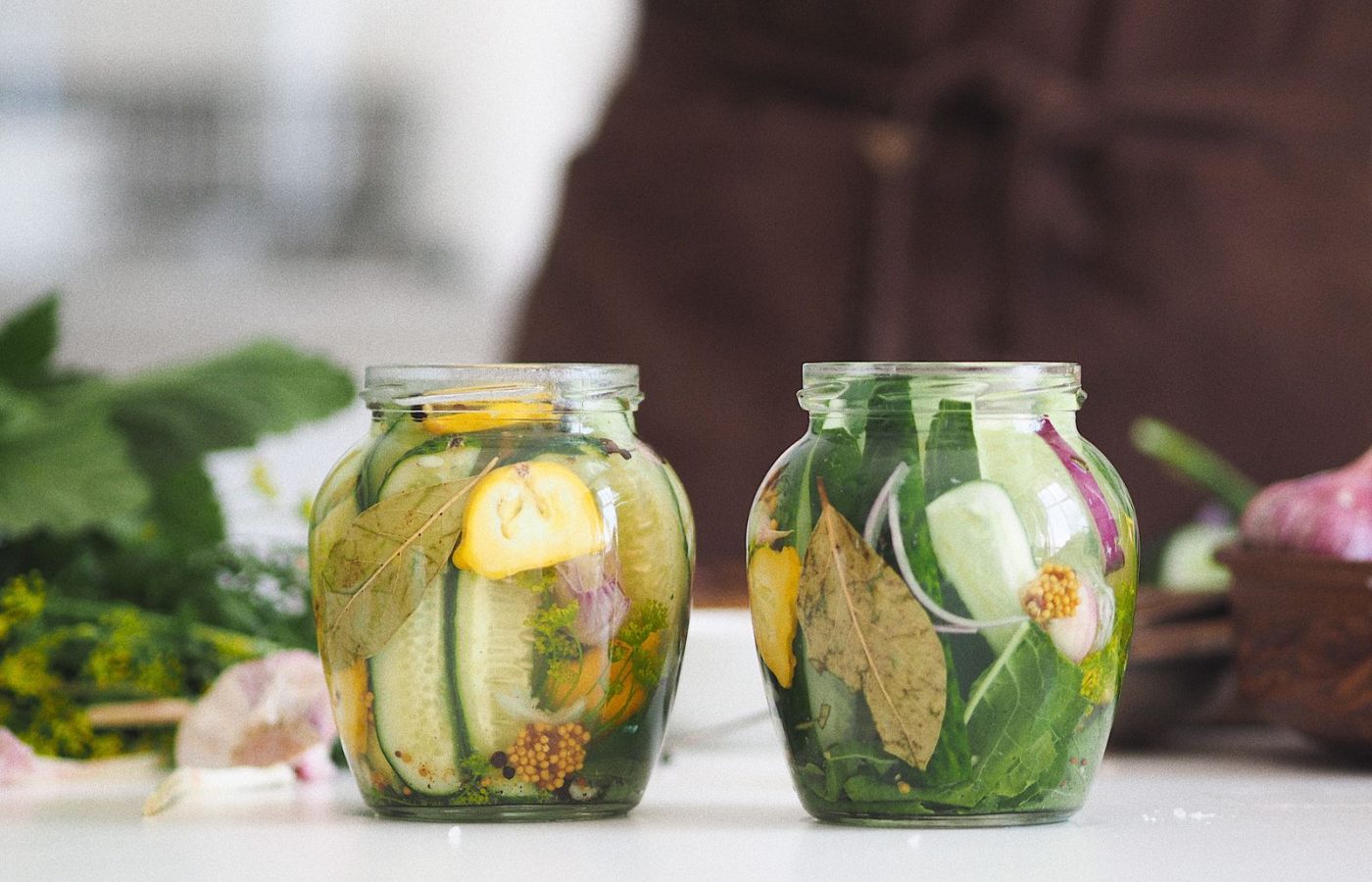
Pickles are very low in calories and can be part of a healthy diet, but most are very high in sodium. A single dill pickle spear can hold a big share of your daily salt limit. Fermented pickles, the refrigerated kind made in salt brine, also contain live bacteria that may support gut health. Most shelf-stable vinegar pickles do not.
- Dill pickles have only about 12 calories per 100 g.
- They contain about 800 mg of sodium per 100 g, roughly a third of the daily value.
- Only fermented, unpasteurized pickles contain live probiotic bacteria.
- Reduced-sodium pickles are a much better everyday choice.
Pickle nutrition facts
According to USDA FoodData Central, per 100 g of cucumber dill pickles:
| Nutrient | Dill pickles | Reduced-sodium dill |
|---|---|---|
| Calories | 12 kcal | 12 kcal |
| Carbohydrates | 2.4 g | 2.4 g |
| Fiber | 1.0 g | 1.0 g |
| Sodium | 809 mg | 18 mg |
| Vitamin K | 17 µg | 17 µg |
A medium dill pickle weighs about 65 g, which means roughly 525 mg of sodium, about 23% of the 2,300 mg daily value set by the FDA. Sweet pickles, such as bread-and-butter pickles, also contain added sugar.
Fermented vs. vinegar pickles
| Fermented pickles | Vinegar (quick) pickles | |
|---|---|---|
| How they are made | Cucumbers sit in salt water and ferment naturally | Cucumbers are soaked in vinegar brine |
| Where you find them | Usually in the refrigerated section | Usually on regular shelves |
| Live bacteria | Yes, if unpasteurized | No |
| Taste | Tangy, sour, complex | Sharp, vinegary |
Look for words like “fermented”, “naturally fermented” or “live cultures”, and a cloudy brine. Heat pasteurization kills the bacteria, so most shelf-stable pickles are not probiotic.
Health benefits of pickles
- Very low in calories. A crunchy, flavorful snack for very few calories.
- Possible gut benefits. Fermented pickles contain lactic acid bacteria, similar to those in other fermented foods.
- Vitamin K. Pickles provide some vitamin K, which helps with blood clotting and bone health.
- Antioxidants. Cucumbers and the dill and garlic in many recipes contain plant compounds with antioxidant activity.
Downsides and who should limit pickles
- High sodium. Too much sodium is linked to high blood pressure. People with high blood pressure, heart disease or kidney disease should limit regular pickles or choose low-sodium versions.
- Added sugar in sweet pickles.
- Vitamin K and blood thinners. People taking warfarin are usually advised to keep vitamin K intake consistent. Ask your doctor if you eat a lot of pickles.
- Stomach irritation. Very acidic or salty foods can bother some people with acid reflux.
What about pickle juice?
Some athletes drink small amounts of pickle juice for muscle cramps. The evidence is limited, and pickle juice is very high in sodium, so it is not a good everyday drink for most people.
How to enjoy pickles in a healthier way
- Choose reduced-sodium or fermented pickles.
- Stick to one or two spears or a few slices.
- Balance your day by eating fewer other salty foods.
- Pair them with fresh foods, such as salads, wraps or a rotisserie chicken plate, rather than chips.
- Make quick homemade pickles with less salt.
Frequently asked questions
Are pickles good for weight loss?
They are very low in calories, so they can be a smart snack. The high sodium can cause temporary water retention, though.
Are pickles good for your gut?
Only fermented, unpasteurized pickles contain live bacteria. Vinegar pickles do not have probiotic benefits.
How many pickles a day is too many?
There is no set limit, but one regular dill pickle can supply about a quarter of your daily sodium. Most people should keep it to one or two servings a day.
Are pickles just cucumbers?
Most are, but you can pickle many vegetables, including carrots, onions, peppers and beets.
Looking for more food answers? Read whether sourdough bread is healthy.
This article is for general information only and is not medical advice.
Sources
- USDA FoodData Central (pickles, cucumber, dill; reduced sodium)
- FDA: Sodium in Your Diet