 Jessica Brooks
Your freezer is one of the best tools in your kitchen. Used well, it saves money, cuts food waste and gives you ready-made meals on busy days. Used badly, it fills up with icy, tasteless mystery bags. This guide explains how freezing really works, which foods freeze well, how long they keep, and how to thaw them safely.
- Food kept at 0 °F (−18 °C) stays safe indefinitely. Storage times are about quality, not safety.
- Cool food quickly, pack it airtight and label it with the date.
- Some foods do not freeze well, such as lettuce, mayonnaise and cream sauces.
- Thaw food in the fridge, in cold water or in the microwave, never on the counter.
Is frozen food safe to eat?
Yes. According to the USDA Food Safety and Inspection Service, food stored constantly at 0 °F will always be safe. Freezing does not kill bacteria, but it stops them from growing. When the food thaws, those bacteria can become active again, so you still need to handle thawed food carefully.
What changes over time is quality. The longer food sits in the freezer, the more it can lose flavour, colour and texture. That is why the freezer times you see in charts are “best quality” guides, not expiry dates.
How to freeze food the right way
- Cool it fast. Spread hot food in a shallow container so it cools quickly, then chill or freeze it. Do not leave cooked food out for more than 2 hours (1 hour if it is above 90 °F outside).
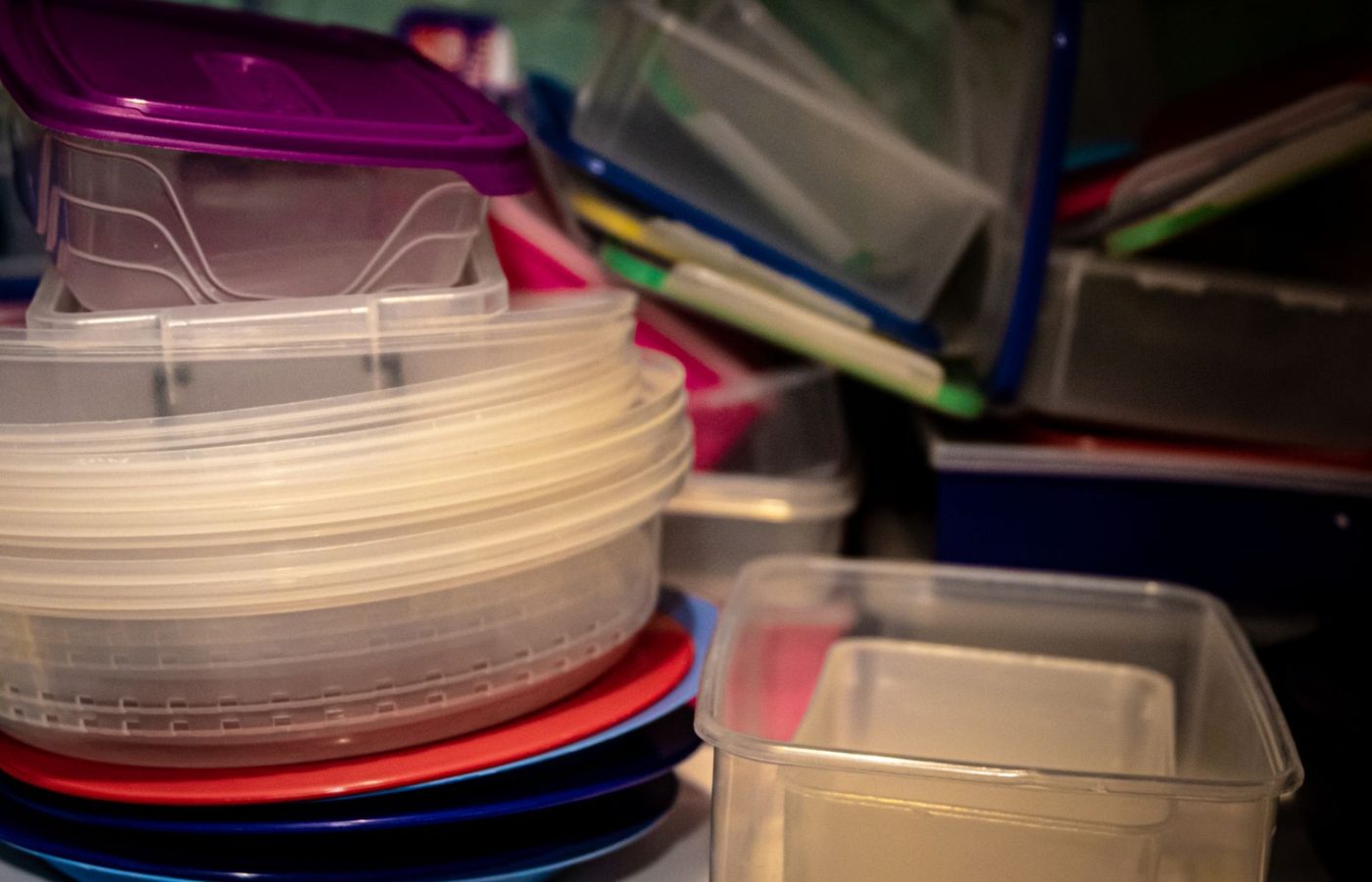
- Use the right packaging. Freezer bags, airtight containers and heavy foil work best. Squeeze out as much air as you can.
- Freeze in portions. Small, meal-sized portions freeze faster, thaw faster and stop you from thawing more than you need.
- Freeze flat. Lay bags flat on a tray until frozen. Flat packs stack neatly and thaw evenly.
- Label everything. Write the food name and the date. “Mystery meat” is the main reason food gets thrown away.
- Keep your freezer at 0 °F or below. A cheap freezer thermometer is worth buying.
What is freezer burn, and is it dangerous?
Freezer burn shows up as dry, greyish-white patches on food. It happens when air reaches the surface and moisture escapes. The USDA says freezer burn does not make food unsafe. It only makes those spots dry and tough. You can cut the patches off before or after cooking. Airtight packaging is the best way to prevent it.
Freezer storage times for common foods
These times come from the official FoodSafety.gov cold food storage chart. Remember: they are for best quality.
| Food | Fridge | Freezer (0 °F) |
|---|---|---|
| Cooked meat or poultry leftovers | 3–4 days | 2–6 months |
| Soups and stews | 3–4 days | 2–3 months |
| Pizza | 3–4 days | 1–2 months |
| Raw chicken pieces | 1–2 days | 9 months |
| Raw whole chicken or turkey | 1–2 days | 1 year |
| Raw ground meat | 1–2 days | 3–4 months |
| Raw steaks | 3–5 days | 4–12 months |
| Bacon | 1 week | 1 month |
| Casseroles with eggs (baked) | 3–4 days | 2–3 months |
Foods that do not freeze well
Almost anything can be frozen, but some foods come out badly:
- Lettuce and salad greens turn limp and watery.
- Mayonnaise and cream sauces separate and look curdled.
- Raw eggs in their shells can crack. Beat them first, then freeze.
- Hard-boiled eggs become rubbery.
- Mayo-based salads (egg, tuna, chicken or macaroni salad) do not freeze well.
Dairy foods are mixed. Some freeze well, while others change texture. See our guide on whether you can freeze cream cheese for an example.
How to thaw frozen food safely
The USDA lists three safe ways to thaw food:
- In the refrigerator. This is the safest method. It is slow, so plan ahead. Food thawed this way can be refrozen.
- In cold water. Seal the food in a leak-proof bag and put it in cold water. Change the water every 30 minutes. Cook the food straight away.
- In the microwave. Use the defrost setting and cook the food immediately, because some parts may start to cook.
Never thaw food on the kitchen counter. The outside warms up into the “danger zone” (40–140 °F) while the middle is still frozen.
Can you refreeze thawed food?
Yes, if it was thawed in the fridge. The USDA says food thawed in the refrigerator is safe to refreeze without cooking, although it may lose some quality. Do not refreeze food that has been left out of the fridge for more than 2 hours.
Food-by-food freezing guides
Want to know about a specific food? Start with these guides:
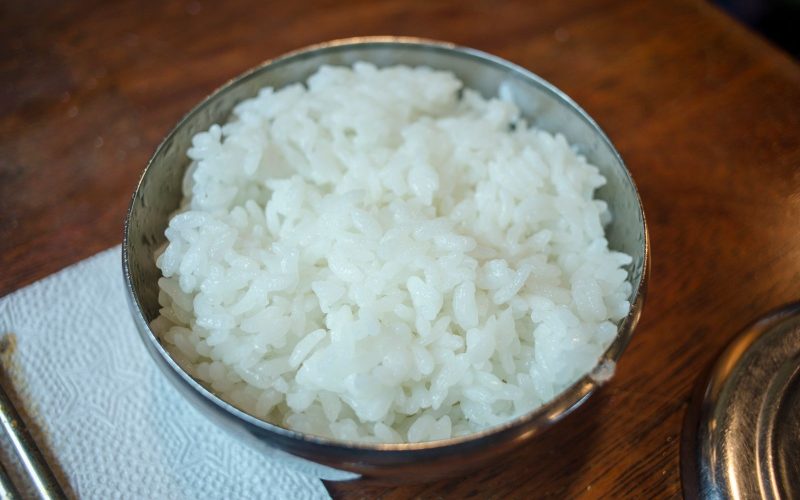
- Can you freeze cooked rice?
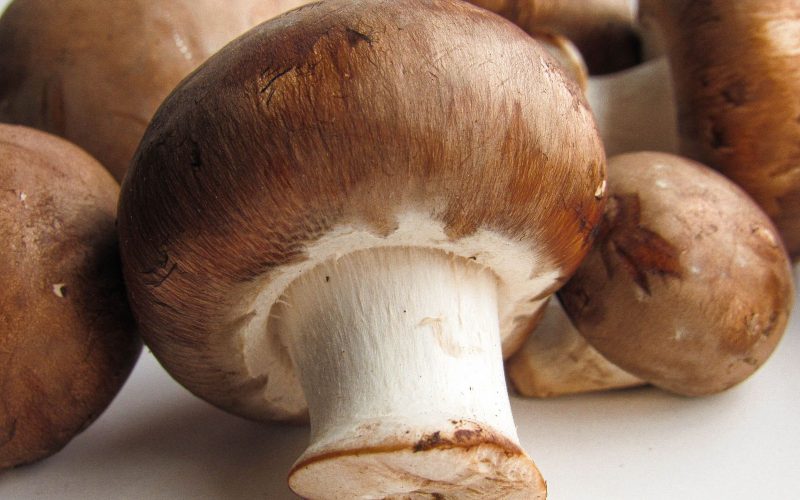
- Can you freeze mushrooms?
- Can you freeze cream cheese?
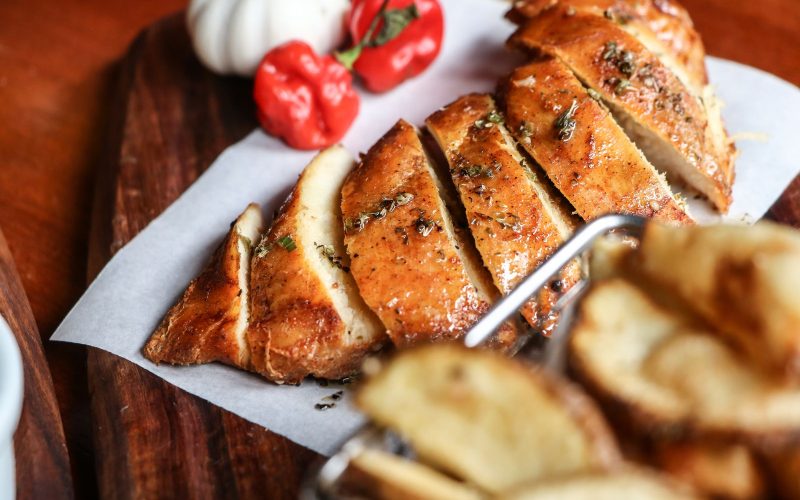
- Can you freeze cooked chicken?
We add new guides every week, so check back soon.
Frequently asked questions
How cold should my freezer be?
Set it to 0 °F (−18 °C) or colder. Keep your fridge at 40 °F (4 °C) or below.
Does freezing kill bacteria?
No. Freezing stops bacteria from growing, but it does not kill them. Cook food to a safe temperature after thawing.
Why does my frozen food taste bland?
Long storage, air exposure and slow freezing all reduce flavour. Use airtight packs, freeze in small portions and eat food within the recommended times.
Is it safe to cook food straight from frozen?
Yes. Many foods can be cooked from frozen. Just allow about 50% more cooking time and check the inside temperature.