 Emily Carter
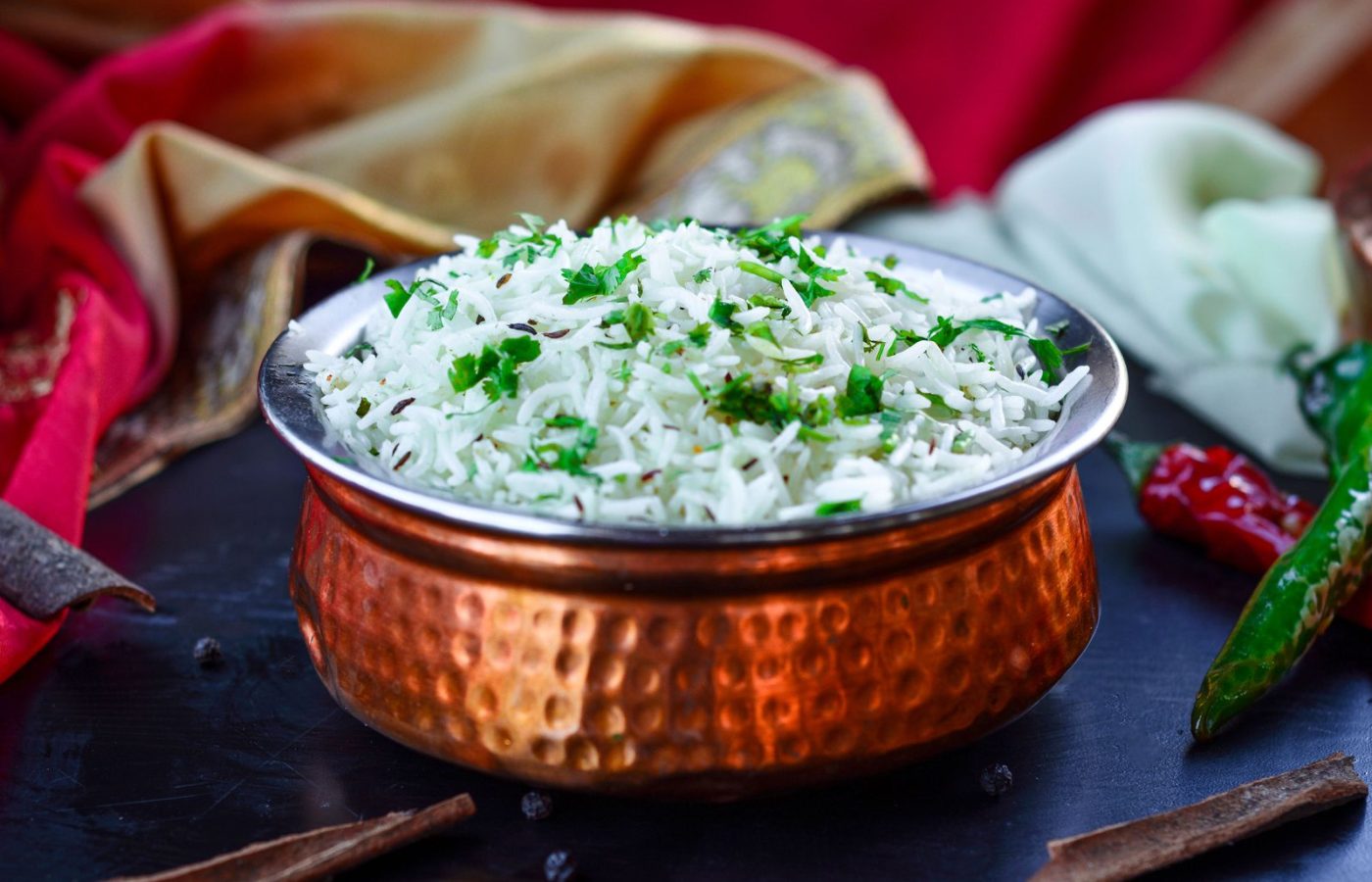
Yes, basmati rice can be a healthy choice, especially brown basmati. White basmati is a refined grain with little fiber, but it usually has a lower glycemic index than many other white rices, so it raises blood sugar more slowly. Brown basmati is a whole grain with extra fiber and minerals.
- Basmati rice is low in fat, naturally gluten-free and easy to digest.
- It often has a lower glycemic index than jasmine or regular white rice.
- Brown basmati counts as a whole grain and has more fiber.
- Portion size and what you eat with it matter more than the rice itself.
Basmati rice nutrition facts
Basmati is a long-grain rice from India and Pakistan, known for its nutty smell and long, fluffy grains. Its nutrition is close to other long-grain rice. Based on USDA FoodData Central values for cooked long-grain rice:
| Per 100 g, cooked | White long-grain | Brown long-grain |
|---|---|---|
| Calories | 130 kcal | 123 kcal |
| Carbohydrates | 28.2 g | 25.6 g |
| Fiber | 0.4 g | 1.6 g |
| Protein | 2.7 g | 2.7 g |
| Magnesium | about 12 mg | 39 mg |
One cup of cooked white basmati has roughly 200–210 calories. Exact numbers vary slightly by brand, so check the label.
Why basmati is often called the “better” white rice
The glycemic index (GI) ranks foods by how fast they raise blood sugar: 55 or less is low, 56–69 is medium and 70 or more is high, according to the University of Sydney GI database. Basmati rice tends to test lower than sticky or jasmine rice. Scientists link this to its higher level of amylose, a type of starch that the body digests more slowly. GI results vary by variety and cooking method, but basmati is usually a smarter pick than jasmine rice if blood sugar is a concern.
Health benefits of basmati rice
- Steadier energy: a lower GI means a gentler rise in blood sugar than many white rices.
- Whole-grain option: brown basmati adds fiber for digestion and fullness.
- Gluten-free: safe for people with celiac disease when not cross-contaminated.
- Low in fat and sodium: as long as you cook it simply.
- Enriched nutrients: many white basmati brands add iron and B vitamins.
Possible downsides
- White basmati is still refined. It has little fiber compared with whole grains.
- Calories add up. Large portions, especially in biryani or fried rice made with oil or ghee, can be high in calories.
- Arsenic. All rice can contain small amounts of arsenic. The FDA recommends eating a varied diet. Cooking rice in plenty of water and draining it can lower arsenic levels.
White vs. brown basmati: which should you choose?
Brown basmati wins on nutrition, with about four times the fiber and three times the magnesium of white rice. It has a chewier texture and takes longer to cook (about 40–45 minutes). If you prefer white basmati, keep portions moderate and add vegetables and protein.
How to cook basmati rice the healthy way
- Rinse it 2–3 times until the water runs clearer. This removes surface starch and gives fluffier grains.
- Soak it for 20–30 minutes (optional) for longer, more even grains.
- Cook it in excess water like pasta, then drain. This may help reduce arsenic.
- Go easy on butter and oil. A small amount adds flavor without many extra calories.
- Batch-cook and freeze. Learn how to freeze cooked rice safely so you always have a healthy base ready.
Is basmati rice good for weight loss?
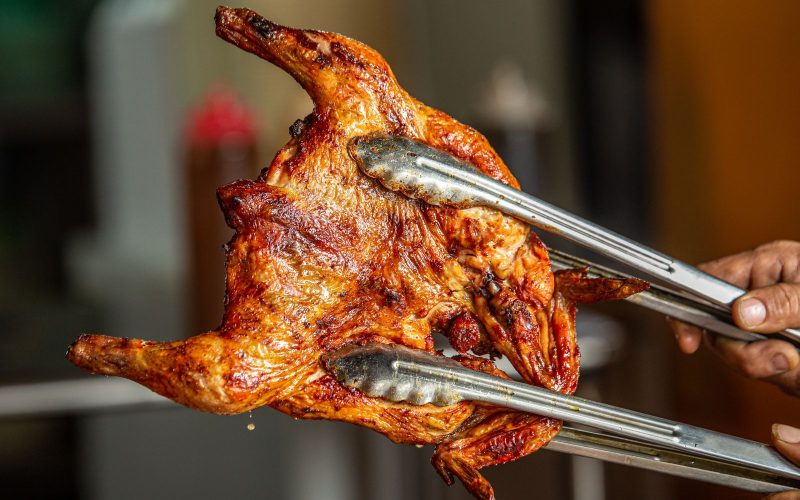
It can fit into a weight-loss diet. Brown basmati keeps you fuller thanks to its fiber. Use about ½–1 cup cooked per meal and build the rest of your plate from vegetables and lean protein such as fish, lentils or skinless rotisserie chicken.
Frequently asked questions
Is basmati rice better than jasmine rice?
For blood sugar, usually yes. Basmati tends to have a lower GI. In calories and protein they are very similar. See our jasmine rice guide for a full comparison.
Is basmati rice good for diabetics?
It is often a better choice than other white rices, but portions still matter. People with diabetes should talk to their doctor or dietitian about carbohydrate amounts.
Does basmati rice have protein?
A little, about 4 g per cooked cup. It is not a major protein source.
Is basmati rice a whole grain?
Only brown basmati is a whole grain. White basmati has the bran and germ removed.
This article is for general information only and is not medical advice.