 Emily Carter
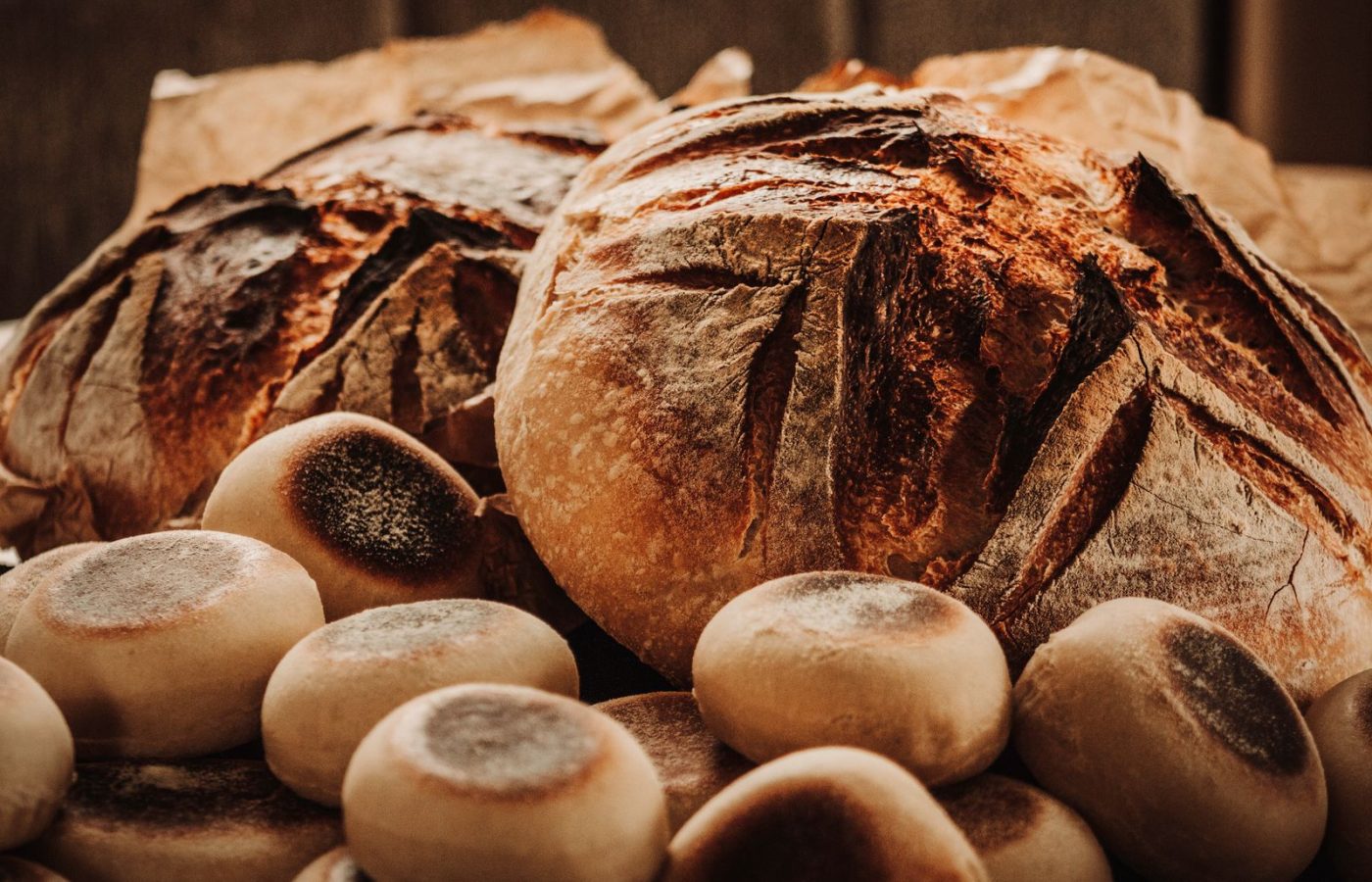
Sourdough bread can be a healthier choice than regular white bread. Its slow fermentation may lead to a gentler rise in blood sugar and can make it easier for some people to digest. But sourdough is still bread: white sourdough is a refined grain and can be high in sodium. Whole-grain sourdough is the healthiest option.
- Real sourdough is made with a natural starter of wild yeast and bacteria, not just commercial yeast.
- Fermentation may lower its effect on blood sugar compared with regular white bread.
- Some people with IBS tolerate traditional sourdough better.
- Sourdough is not gluten-free and is not safe for people with celiac disease.
Sourdough bread nutrition facts
The USDA FoodData Central lists sourdough together with French and Vienna bread. Per 100 g (about two slices):
| Nutrient | Per 100 g |
|---|---|
| Calories | 272 kcal |
| Carbohydrates | 51.9 g |
| Fiber | 2.2 g |
| Protein | 10.8 g |
| Fat | 2.4 g |
| Sodium | 602 mg |
| Iron | 3.9 mg |
| Folate | 123 µg |
So a single medium slice (about 50 g) has roughly 135 calories, 26 g of carbs and 300 mg of sodium. Bakery loaves vary a lot, so check the label when you can.
How sourdough is different from regular bread
Most supermarket bread rises quickly with commercial yeast. Traditional sourdough uses a starter, a mix of flour and water full of wild yeast and lactic acid bacteria. The dough ferments slowly, often for 12–24 hours. This long fermentation:
- produces the tangy, sour flavor
- creates acids that change how the starch is digested
- breaks down some of the carbohydrates that bother sensitive stomachs
Potential health benefits
A gentler effect on blood sugar
Studies suggest the acids made during fermentation can slow how fast starch is digested. As a result, sourdough may raise blood sugar less than regular white bread. The difference is modest, and whole-grain sourdough has a bigger advantage than white sourdough.
Easier digestion for some people
Wheat contains fructans, which are carbohydrates that can cause bloating in people with irritable bowel syndrome (IBS). Researchers at Monash University, who developed the low-FODMAP diet, have found that traditionally made, slow-fermented sourdough can be lower in these carbohydrates.
Simple ingredients
Real sourdough often contains just flour, water and salt, with no added sugar or preservatives.
Things to watch out for
- Not gluten-free. Fermentation reduces some gluten but not enough. People with celiac disease must avoid regular sourdough.
- “Sourdough-style” bread. Some store loaves use commercial yeast plus vinegar for flavor. Look for “sourdough starter” or “levain” and a short ingredient list.
- Sodium. Bread is a major source of salt in many diets. Two slices can provide around 25% of the 2,300 mg daily value set by the FDA.
- No live probiotics. The bacteria in the starter do not survive baking.
Sourdough vs. whole wheat bread
100% whole wheat bread usually has more fiber than white sourdough. The best of both is whole-grain sourdough, which combines the fiber of whole wheat with the benefits of fermentation.
How to eat sourdough the healthy way
- Choose whole-wheat, rye or spelt sourdough.
- Top it with protein and healthy fats, such as eggs, avocado, hummus or nut butter.
- Keep to 1–2 slices per meal.
- Store extra slices in the freezer to keep them fresh. Our guide to freezing food explains how.
For another healthy bread topping, see our guide to cream cheese.
Frequently asked questions
Is sourdough bread good for weight loss?
It can fit into a weight-loss plan in sensible portions. Whole-grain sourdough is more filling thanks to its fiber.
Is sourdough healthier than white bread?
Generally yes, because of its slow fermentation and simple ingredients, but white sourdough is still a refined grain.
Can diabetics eat sourdough?
Many people with diabetes find whole-grain sourdough a better bread choice, but it still contains carbs. Ask your healthcare team about portions.
Does toasting sourdough change its nutrition?
Toasting removes water, so calories per gram go up, but the total in each slice stays about the same.
This article is for general information only and is not medical advice.
Sources
- USDA FoodData Central (bread, French or Vienna, includes sourdough)
- Monash University FODMAP
- FDA: Sodium in Your Diet