 Emily Carter
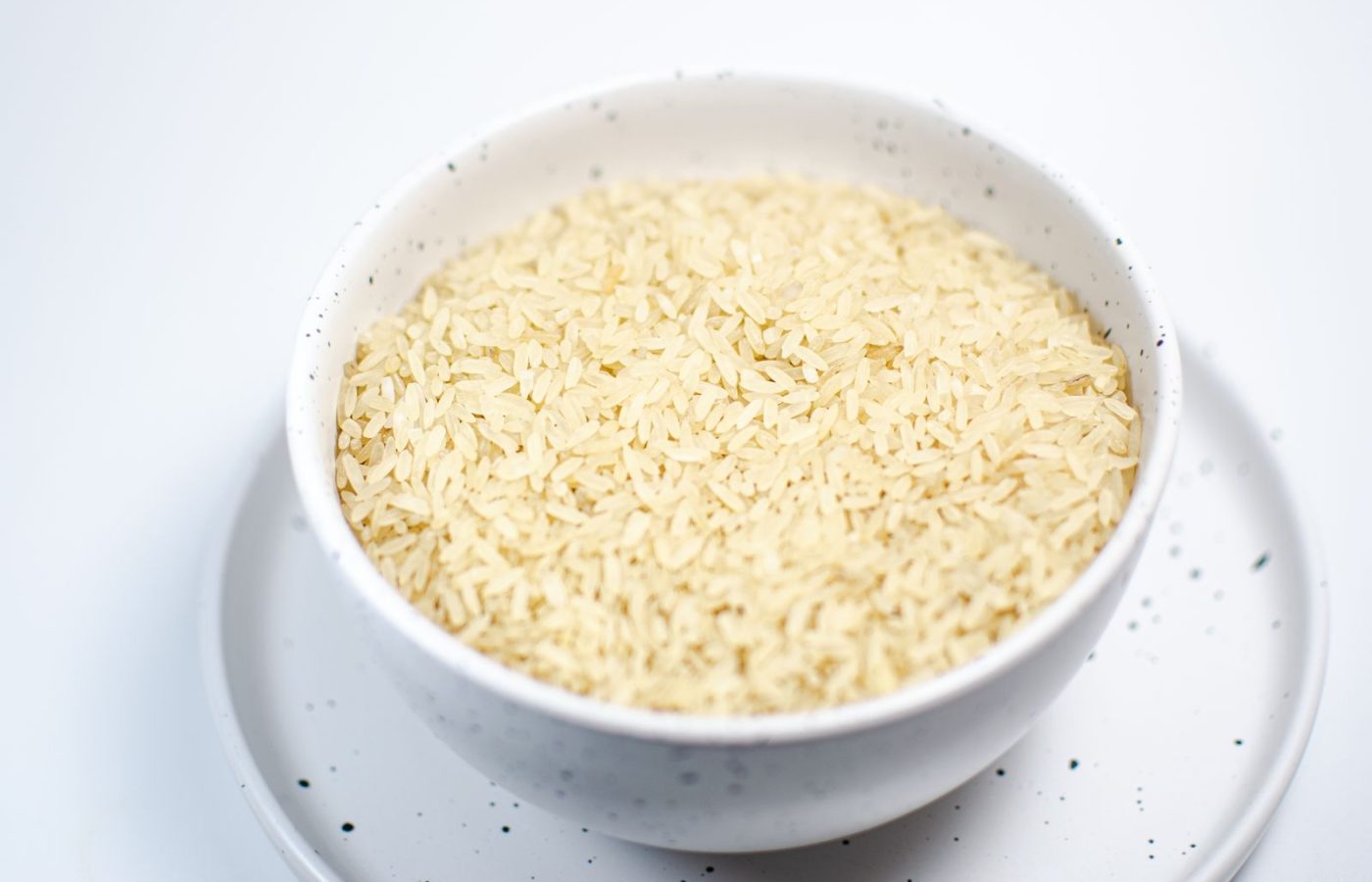
Jasmine rice can be part of a healthy diet, but white jasmine rice is a refined grain that is low in fiber and raises blood sugar quickly. It gives you energy and a few nutrients, especially when it is enriched. For more fiber and a gentler effect on blood sugar, choose brown jasmine rice, watch your portion size and pair it with protein and vegetables.
- One cup of cooked white rice has about 205 calories and 45 g of carbohydrates.
- White jasmine rice has very little fiber (under 1 g per cup).
- Jasmine rice is generally a high-glycemic food, so it can raise blood sugar quickly.
- Brown jasmine rice is a whole grain with more fiber and magnesium.
Jasmine rice nutrition facts
Jasmine rice is a fragrant, long-grain rice from Thailand. Its nutrition is very similar to other long-grain white rice. Here are the values from the USDA FoodData Central database for cooked long-grain white rice, compared with brown rice:
| Per 100 g, cooked | White long-grain rice | Brown long-grain rice |
|---|---|---|
| Calories | 130 kcal | 123 kcal |
| Carbohydrates | 28.2 g | 25.6 g |
| Fiber | 0.4 g | 1.6 g |
| Protein | 2.7 g | 2.7 g |
| Fat | 0.3 g | 1.0 g |
| Magnesium | about 12 mg | 39 mg |
A typical serving of 1 cup (about 158 g) of cooked white rice gives roughly 205 calories, 45 g of carbs and 4 g of protein. Many brands are enriched, which means iron and B vitamins such as folate are added back after milling.
The benefits of jasmine rice
- Quick energy. Its carbohydrates are easy to digest, which helps athletes and very active people refuel.
- Gentle on the stomach. Low-fiber white rice is often easier to tolerate during stomach upsets.
- Naturally gluten-free. All plain rice is safe for people with celiac disease.
- Low in fat and sodium when cooked without salt or oil.
The downsides of white jasmine rice
It is low in fiber
Milling removes the bran and germ, which contain most of the fiber, vitamins and minerals. The Dietary Guidelines for Americans recommend making at least half of your grains whole grains, and white jasmine rice does not count.
It has a high glycemic index
The glycemic index (GI) measures how fast a food raises blood sugar. On the scale used by the University of Sydney GI database, 55 or less is low, 56–69 is medium and 70 or more is high. White jasmine rice is usually tested in the high range, higher than many other rice types. This matters most for people with diabetes or prediabetes.
Portions add up quickly
Restaurant portions of rice can be 2–3 cups, which is 400–600 calories before you add anything else.
Jasmine rice vs. other rice
- Brown jasmine rice: a whole grain with more fiber, magnesium and a lower GI than white jasmine.
- Basmati rice: usually has a lower GI than white jasmine. Read our full guide: Is basmati rice healthy?
- Regular white rice: nutritionally very similar to jasmine.
How to make jasmine rice healthier
- Choose brown jasmine rice or mix half white and half brown.
- Keep portions to about ½–1 cup cooked per meal.
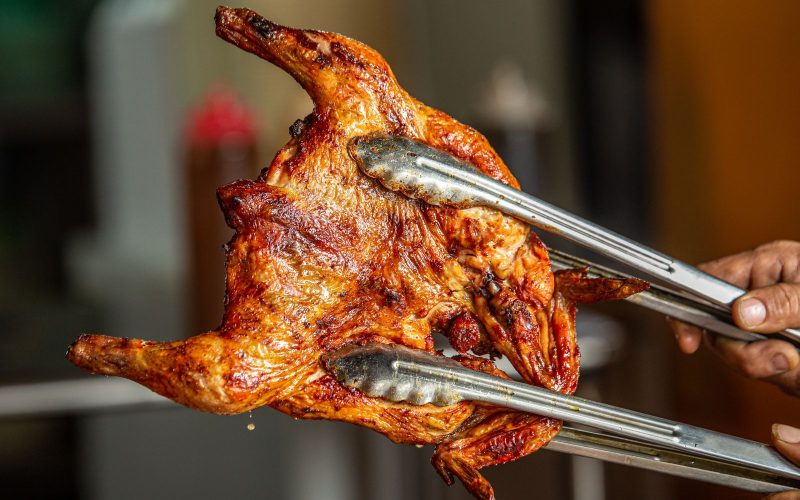
- Fill half your plate with vegetables and add a lean protein, such as fish, beans, tofu or rotisserie chicken.
- Cool and reheat it. Cooling cooked rice increases a type of resistant starch. If you do this, store it safely. See our guide on how to freeze and reheat cooked rice.
- Cook it in plenty of water and drain it. The FDA notes that rice can contain small amounts of arsenic, and cooking rice in excess water can lower the amount.
Is jasmine rice good for weight loss?
No single food causes weight gain or weight loss. Jasmine rice can fit into a weight-loss plan if you control portions. Because it has little fiber, it is less filling than brown rice, so you may feel hungry sooner. Pairing it with protein and vegetables helps.
Is jasmine rice OK for people with diabetes?
People with diabetes can still eat rice, but white jasmine rice can raise blood sugar quickly. Smaller portions, whole-grain versions and balanced meals help. If you have diabetes, ask your doctor or a registered dietitian how rice fits into your meal plan.
Frequently asked questions
Is jasmine rice healthier than white rice?
Not really. White jasmine rice is a type of white rice, and their nutrition is almost the same. Brown jasmine rice is the healthier choice.
How many calories are in a cup of jasmine rice?
About 200–210 calories per cup of cooked white rice, depending on the brand.
Is jasmine rice gluten-free?
Yes. Plain jasmine rice contains no gluten.
Can I eat jasmine rice every day?
Yes, in sensible portions and as part of a varied diet with plenty of vegetables, protein and whole grains.
This article is for general information only and is not medical advice. Talk to a healthcare professional about your individual needs.
Sources
- USDA FoodData Central (rice, white, long-grain, cooked; rice, brown, long-grain, cooked)
- University of Sydney: Glycemic Index
- Dietary Guidelines for Americans
- FDA: Arsenic in Food