 Michael Turner
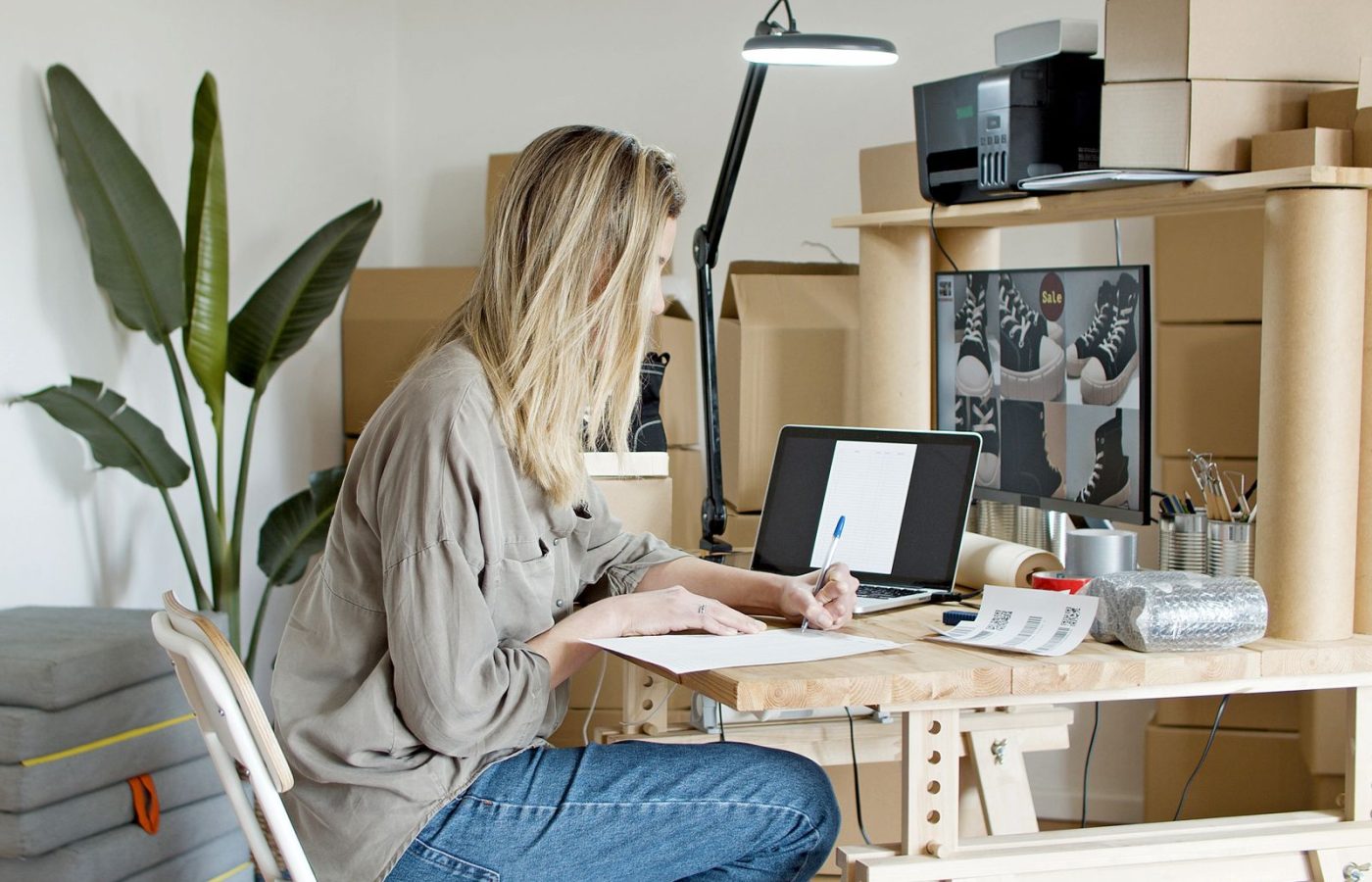
To start a small business at home, choose an idea that fits your skills and space, check your local zoning and licence rules, pick a business structure, register your business and get an EIN, open a separate bank account and get the right insurance. Then set up a simple workspace, price your offer and start finding your first customers. Most home businesses can launch in a few weeks for very little money.
- Check zoning, HOA rules and local licences before you start.
- An EIN from the IRS is free, and you can apply online.
- Keep business and personal money separate from day one.
- Home insurance usually does not cover business activity.
Step 1: Choose the right home business idea
The best home business uses a skill you already have and needs little equipment. Popular options include:
- Services: bookkeeping, tutoring, graphic design, writing, virtual assistance, web design
- Online selling: handmade goods, print-on-demand, reselling
- Food: baked goods. Check your state’s “cottage food” laws first.
- Care and wellness: pet sitting, fitness coaching, beauty services (licences often needed)
Before you commit, ask: Will people pay for this? Who are they? How will they find me?
Step 2: Write a simple business plan
You don’t need a 40-page document. A one-page plan covering your product, customers, pricing, costs and marketing is enough to start. The U.S. Small Business Administration (SBA) has free templates for both short “lean” plans and traditional plans.
Step 3: Check zoning, HOA and local rules
Many cities allow home businesses but limit customer visits, signs, parking, noise or employees. Contact your city or county planning office and ask about a home occupation permit. If you live in a rental or an HOA community, read your lease or HOA rules too.
Step 4: Choose a business structure
| Structure | Good for | Personal liability protection |
|---|---|---|
| Sole proprietorship | Simple, solo, low-risk businesses | No |
| LLC | Most small businesses wanting protection | Yes, generally |
| Corporation (S or C) | Businesses planning to grow or raise money | Yes |
Read the SBA’s guide to business structures, and consider speaking with an accountant, because the choice affects your taxes.
Step 5: Register your business and get an EIN
- Pick a name and check that it’s available in your state and as a domain name.
- Register your LLC or corporation with your state, or file a “doing business as” (DBA) name if you’re a sole proprietor using a different name.
- Get an EIN (Employer Identification Number) from the IRS. It’s free, and you can apply online.
Step 6: Get licences and permits
Requirements depend on your industry, city and state. Food, childcare, beauty and some professional services usually need specific licences. The SBA explains how to find the licences and permits you need.
Step 7: Separate your finances
Open a business bank account and use it for every business transaction. This makes bookkeeping and taxes much easier and helps protect you legally. Our guide shows how to track business expenses from the start.
Step 8: Get insurance
Standard homeowners or renters insurance often does not cover business equipment, inventory or customer injuries. Look at a home-business rider, general liability or a business owner’s policy. Learn more in how to get bonded and insured.
Step 9: Set up your workspace
A dedicated space helps you focus and may qualify for the home office deduction. The IRS requires that the space is used regularly and exclusively for business.
Step 10: Set up payments and find customers
- Decide how you’ll get paid. See how to accept credit card payments.
- Create a simple website and a free Google Business Profile.
- Tell friends, family and your network. Referrals are the fastest first customers.
- Follow our step-by-step guide on how to market a small business.
Common mistakes to avoid
- Skipping zoning or licence checks
- Mixing personal and business money
- Underpricing to win customers
- Forgetting to set aside money for taxes. Self-employed people usually pay estimated taxes during the year.
Frequently asked questions
How much does it cost to start a home business?
Many service businesses can start for a few hundred dollars, covering registration, a website and basic tools. Product businesses need more for inventory and equipment.
Do I need an LLC to start a home business?
No. You can start as a sole proprietor. An LLC adds liability protection and is worth considering as you grow.
Do I need a business licence to work from home?
Often yes. Many cities require a general business licence or home occupation permit. Check locally.
Can I run a business from a rented apartment?
Usually, if your lease and local zoning allow it. Ask your landlord in writing.
This article is general information, not legal, tax or financial advice. Rules vary by state and city.